

Congenital Hand Anomalies
Congenital Hand Anomalies
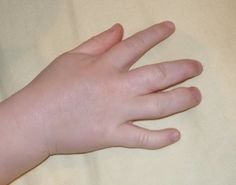
Congenital hand anomalies are birth defects affecting the structure, shape, or function of the hands and fingers. These conditions develop during fetal growth and may vary from minor differences to complex deformities that impact movement and daily activities.
Purpose of Treatment
- Improve hand function and mobility
- Correct structural deformities
- Enhance appearance and symmetry
- Support normal growth and development
Common Types of Anomalies
- Syndactyly: Fusion of two or more fingers
- Polydactyly: Extra fingers
- Clinodactyly: Curved fingers
- Hypoplastic thumb: Underdeveloped thumb
- Cleft hand: Split or gap in the hand
Causes
- Genetic factors
- Abnormal development during pregnancy
- Associated syndromes or conditions
Procedure Overview
Treatment depends on the type and severity of the anomaly. It may include:
- Surgical separation of fused fingers
- Removal of extra digits
- Reconstruction of bones, tendons, and soft tissues
- Use of splints or physiotherapy for functional improvement
Advanced surgical techniques aim to achieve both functional and aesthetic outcomes.
Duration of Procedure
- 1 – 4 hours (depending on complexity)
Anesthesia
- General anesthesia
Recovery Time
- Initial healing: 2 – 3 weeks
Full recovery and rehabilitation: several weeks to months
Benefits
- Improved hand function and dexterity
- Better grip and coordination
- Enhanced appearance
- Increased independence in daily activities
Important Considerations
- Early diagnosis and timely treatment are important
- May require staged procedures
- Physiotherapy plays a key role in recovery
- Regular follow-up ensures optimal results
